

Author: Dr. David Dalton

  • Back-to-School Spine Health Tips for Growing Students

    Back-to-School Spine Health Tips for Growing Students

    As another school year approaches, families often focus on school supplies, routines, and academic planning. But one important area deserves just as much attention: maintaining healthy spinal alignment throughout the year. Students carry backpacks, spend long hours at desks, participate in sports, and use digital devices daily—all of which can influence posture and comfort. With a few practical adjustments, families can help kids protect their backs and stay active and comfortable from the first day of class to the final bell.

    Why Spinal Alignment Matters During the School Year

    School routines can place steady strain on a student’s neck, back, and shoulders. Hours spent sitting, carrying books, practicing sports, and engaging with screens can all influence posture and lead to tension. If healthy habits are not consistently reinforced, these patterns can contribute to discomfort that may affect focus, energy, and overall well-being.

    By understanding what causes common irritations—such as poor posture or uneven weight distribution—families can help students minimize unnecessary strain. Even small improvements can meaningfully support comfort, mobility, and confidence throughout the school year.

    Backpack Safety: Simple Adjustments That Help

    Backpacks are a frequent source of preventable back pain among children and teens. When a bag is too heavy or worn incorrectly, it can place extra pressure on the spine and surrounding muscles. A helpful guideline is to keep the backpack’s weight between 10% and 15% of the student’s total body weight.

    Fit and packing also matter. Students should always wear both straps and tighten them enough so the bag stays close to the body. Heavier items belong against the back panel to support even weight distribution. Families can also encourage kids to use lockers or classroom storage when available to avoid carrying unnecessary items all day.

    These quick adjustments can significantly reduce strain and help young bodies maintain better posture as they move through their day.

    Sports Safety for Active Students

    Fall athletics are an exciting part of the school routine, but they also bring increased physical demands. Preparing the body properly can help young athletes stay safe, strong, and confident in their activities. Consistent warm-ups before practices and cool-downs afterward protect muscles and joints and support healthy movement patterns.

    Protective gear should be worn consistently and fitted correctly. Equipment that is too tight, too loose, or improperly adjusted may not provide adequate support. Athletes also need plenty of rest, especially as their bodies develop. Encouraging students to speak up about discomfort ensures that small issues don’t grow into larger ones.

    A preseason evaluation can also be beneficial, especially for students involved in high-impact sports. Identifying potential concerns early can support safety throughout the season.

    How Growth Spurts Influence Posture

    Many parents notice shifts in posture or coordination as kids enter growth spurts. During periods of rapid development, bones often grow faster than muscles and connective tissues can adapt. This can temporarily influence balance, flexibility, and spinal alignment.

    Girls commonly experience these changes between ages nine and fifteen, while boys often see them between ages twelve and seventeen. Mild tension or aches are normal, but persistent pain, uneven shoulders, or visible posture changes may indicate that an evaluation could help.

    Keeping an eye on these shifts helps ensure students stay comfortable and active while their bodies adjust.

    Managing Screen Time and Head Position

    Digital learning and social technology play a major role in today’s education. Unfortunately, prolonged screen time often leads students to lean forward or angle their heads downward, placing extra stress on the neck and upper back. This pattern, sometimes called tech-related neck strain, can affect comfort and focus.

    Simple adjustments can make a big difference. Raising screens to eye level and choosing workstations that keep devices positioned higher help encourage more upright posture. Students can also follow the 20-20-20 guideline—every 20 minutes, look at something 20 feet away for at least 20 seconds—to reduce cumulative strain.

    Guiding students to build these habits early contributes to better alignment and comfort throughout the school year.

    How Osteopathic Care Supports Student Well-Being

    While many families think of hands-on treatments only when injuries occur, regular evaluations can also support healthy posture and comfort throughout the year. At The Country Doc Shop, I use a blend of osteopathic manipulation, neuromusculoskeletal medicine, and holistic medicine to identify areas of tension or imbalance that develop from backpacks, sports, prolonged sitting, or screen time.

    My integrative approach often includes targeted manual therapy, dry needling, and personalized strategies that address root causes of discomfort. For families seeking a deeper level of wellness, I also offer guidance on supplements from trusted brands such as Avini, Lactigo, and Biogenetics to support pain relief, gut health, and detox. As my practice continues to grow in Cedar City, Utah, and Caliente, Nevada, I also have regenerative medicine options—such as PRP, stem cells, and exosomes.

    If your child is experiencing back, neck, or shoulder discomfort—or if you have concerns about posture or alignment—now is an excellent time to check in. Supporting healthy habits early can set your student up to start the school year feeling strong, balanced, and ready for success.
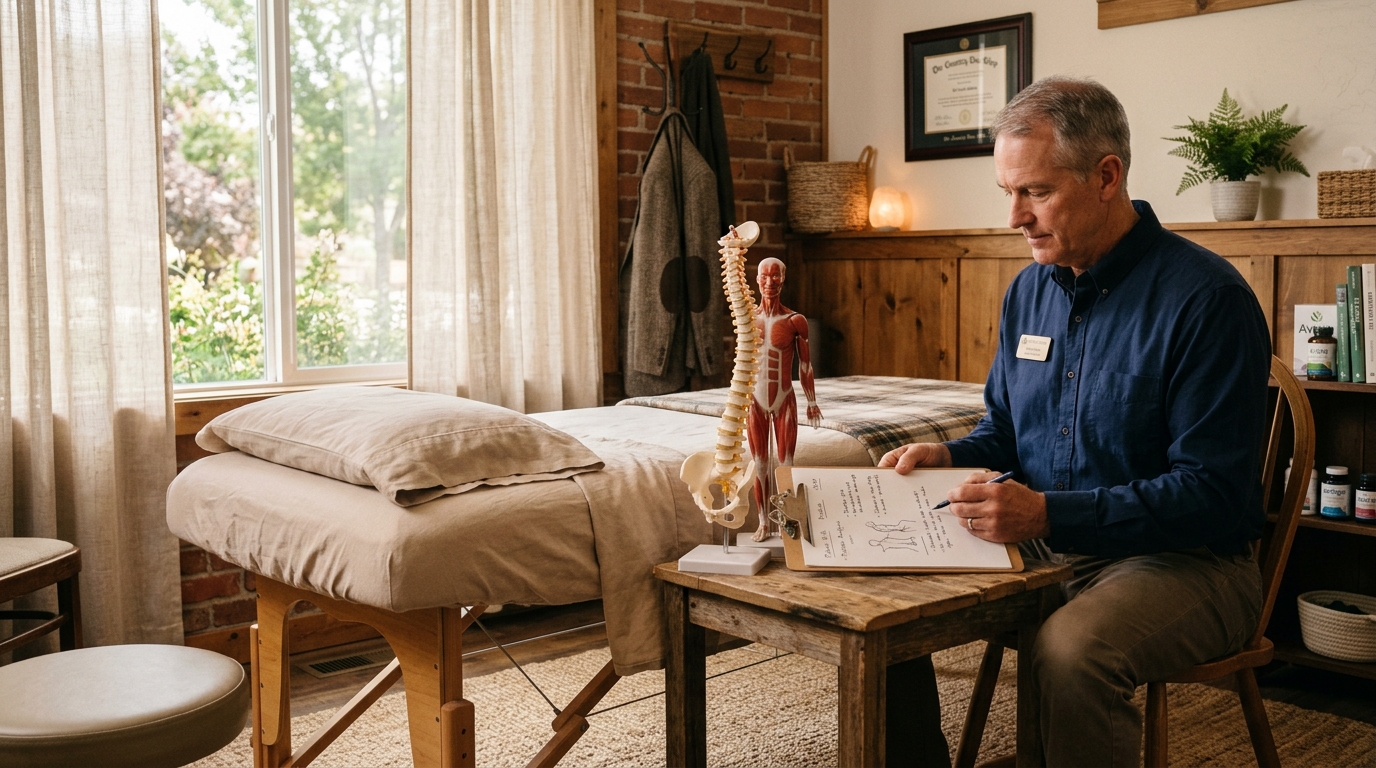

  • Why Pain Keeps Coming Back: A Whole-Body Osteopathic Perspective

    Why Pain Keeps Coming Back: A Whole-Body Osteopathic Perspective

    Recurring pain can be confusing, especially when the area that hurts never seems to fully resolve. In my practice, I often find that long‑standing pain has deeper roots—patterns in posture, movement, inflammation, and daily stress. When we look beyond the painful spot, we usually find the real story of what the body has been trying to manage.

    This broader perspective is central to how I practice osteopathic and neuromusculoskeletal medicine here in Cedar City, Utah, and Caliente, Nevada. My goal is always to help the whole body work better, not just chase symptoms.

    Why Pain Rarely Comes From Just One Place

    When someone comes in with ongoing discomfort, the first thing I look at is how their body is moving as a whole. Pain can be influenced by posture, old injuries, restricted mobility, and even how the nervous system reacts to stress or inflammation. Sometimes the painful area is simply the part that’s been compensating the longest.

    For example, low back pain may be tied to tight hip flexors, limited rib motion, or foot mechanics. Neck tension may reflect jaw clenching or rounded‑forward posture from long hours at a computer. These connections are common, and they’re often the reason pain keeps coming back.

    The Role of Stress in Recurring Pain

    Stress is one of the most overlooked contributors to persistent pain. When we carry stress—whether from work, family demands, or old emotional patterns—it doesn’t just sit in our thoughts. It shows up in the body. Breathing becomes shallow, muscles tighten defensively, and the nervous system stays on high alert. Over time, this “fight‑or‑flight” state can wear down areas that are already vulnerable.

    Many patients tell me their pain flares during stressful weeks or fades when they feel more grounded. That’s not a coincidence. Chronic stress ramps up inflammation, disrupts sleep, affects gut health, and makes the body less resilient overall. When I evaluate someone with recurring pain, I always consider the load their nervous system is carrying—not because stress is the sole cause, but because it often amplifies everything else.

    Tools like hands‑on osteopathic manipulation, breathwork, supplements that support inflammation and gut health, and even simple daily movement routines can make a noticeable difference in how the body handles stress. In this way, addressing stress isn’t about “relaxing”—it’s about helping the body shift out of survival mode so healing can actually happen.

    The Role of Inflammation and Past Injuries

    Stress doesn’t just live in your mind—your body carries it too. Muscles tighten, breathing patterns shift, and inflammation can rise. Prior injuries also change how we move, sometimes for years after the initial event. When I evaluate patients, I’m always looking for the quiet restrictions in the background that are adding to the loud symptoms they feel.

    Supporting gut health, detoxification pathways, and overall inflammation levels can also make a meaningful difference. I often recommend supplements from lines like Avini, Lactigo, or Biogenetics when they may help the body function more efficiently.

    Why a Hands‑On, Whole‑Body Approach Matters

    Osteopathic manipulation and neuromusculoskeletal medicine allow me to evaluate how joints, fascia, muscles, and the nervous system interact. These hands‑on techniques help me feel where things are moving well—and where they aren’t—so I can address root causes rather than guessing.

    Sometimes I incorporate dry needling or other holistic medicine tools when they’re appropriate. Looking ahead, I’m preparing to expand into regenerative medicine options such as PRP, stem cells, and exosomes, which can complement structural work for patients who need more advanced support.

    When Patients Feel Unheard Elsewhere

    I meet many people who come to me after trying multiple approaches without lasting pain relief. They often say they felt rushed, dismissed, or treated like a symptom instead of a whole person. At The Country Doc Shop, I take the time to listen, examine thoroughly, and understand the patterns that led up to their pain—often the part that matters most.

    Whether someone has been dealing with chronic discomfort, mobility limitations, or uncertainty about what’s actually going on, my role is to offer a fresh, holistic perspective and a clear plan forward.

    If You’re Ready for a Different Kind of Evaluation

    If you’re in Cedar City, Utah, or Caliente, Nevada and you’re looking for a more individualized, whole‑body approach, I’d be glad to help you explore what’s really driving your pain. You’re welcome to schedule a visit whenever you’re ready. I never promise cures, but I do promise a careful, thoughtful evaluation and a genuine effort to help your body work better.

  • Stay Active All Summer Without Pain or Setbacks

    Stay Active All Summer Without Pain or Setbacks

    Quick Summary: Warmer months often inspire people to move more, but jumping into activity too quickly can lead to soreness or injury. A proactive, whole-body approach that includes osteopathic manipulation, dry needling, and supportive therapies can help prevent these issues. At The Country Doc Shop, patients in Cedar City, Utah and Caliente Nevada receive personalized, holistic medicine designed to keep them active, mobile, and comfortable all summer long.

    Why Increased Summer Activity Can Backfire

    As temperatures rise, so does the motivation to get outside. Activities like hiking, swimming, yard work, and travel naturally become part of daily life again. While this shift is great for overall health, the body doesn’t always adjust as quickly as our enthusiasm does.

    After months of reduced movement, muscles may be deconditioned and joints less mobile. When you suddenly increase physical demands, the body can become overwhelmed. This often leads to stiffness, soreness, or even injury.

    At The Country Doc Shop, we frequently see patients in Cedar City, Utah and Caliente Nevada who experience these setbacks early in the season. The good news is that most of these issues are preventable with the right preparation and care.

    Common Aches That Show Up in Summer

    Seasonal activities tend to place stress on specific areas of the body. Understanding these patterns can help you recognize problems before they worsen.

    • Lower back discomfort: Often triggered by lifting, golfing, or long hours spent driving during trips.
    • Neck and shoulder tension: Common with swimming or repetitive overhead movements.
    • Hip, knee, and ankle strain: Frequently linked to hiking or walking on uneven terrain.

    These concerns usually stem from one core issue: the body is being asked to perform at a level it hasn’t been conditioned for. Addressing mobility and strength early can significantly reduce the risk of these problems.

    A Holistic Approach to Pain Relief and Prevention

    At The Country Doc Shop, care is centered around holistic medicine and neuromusculoskeletal medicine. Rather than simply masking discomfort, the goal is to identify and correct the root cause of dysfunction.

    Osteopathic manipulation plays a central role in this process. By improving joint alignment and restoring natural movement, the body can function more efficiently with less strain. This hands-on approach often blends techniques similar to chiropractic care, massage therapy, and energy work.

    Dry needling is another valuable tool for relieving tight muscles and improving circulation. It can help release areas of tension that limit movement and contribute to pain.

    For many patients, combining these therapies leads to better mobility, faster recovery, and long-lasting pain relief.

    Improving Movement to Reduce Injury Risk

    When one part of the body isn’t moving well, other areas compensate. Over time, these compensation patterns can lead to imbalance, fatigue, and injury.

    Through targeted treatment and personalized exercise plans, it’s possible to restore proper movement patterns. This includes strengthening underused muscles and improving flexibility in tight areas.

    Better alignment and coordination also enhance communication within the nervous system. This can improve balance and stability, which is especially important for outdoor activities like hiking or sports.

    By addressing these factors early, patients can stay active without constantly worrying about setbacks.

    Supporting the Body from the Inside Out

    Movement is only one piece of the puzzle. Internal health plays a major role in how the body feels and performs.

    At The Country Doc Shop, we often recommend high-quality supplements from trusted brands like Avini, Lactigo, and Biogenetics. These products are selected to support gut health, reduce inflammation, and assist with detox processes.

    A healthy gut can improve nutrient absorption and energy levels, while proper detox support helps the body manage physical stress more effectively. Together, these factors contribute to better resilience and recovery during active months.

    Looking Ahead with Regenerative Medicine

    For patients dealing with more persistent discomfort, regenerative medicine is an exciting option on the horizon. Treatments such as PRP, stem cells, and exosomes are designed to support the body’s natural healing processes.

    These therapies aim to repair damaged tissues and improve function at a deeper level. While not every patient requires this level of care, it offers a promising path for those who have not found relief through traditional methods.

    As these services become available, they will further expand the ability to help patients stay active and pain-free.

    Addressing Small Issues Before They Escalate

    Minor aches are easy to ignore, especially during a busy summer. However, small problems can quickly develop into more serious conditions if left untreated.

    A proactive visit allows for early detection of restrictions or imbalances. With timely care, these issues can often be resolved before they interfere with your routine.

    Consistent maintenance, along with simple at-home exercises, helps the body adapt to increased activity. This approach keeps you moving comfortably and reduces the likelihood of unexpected interruptions.

    Enjoy a More Comfortable, Active Season

    Summer should be a time to enjoy movement, not avoid it. Whether you’re exploring the outdoors, traveling, or working on projects at home, your body should support your lifestyle—not limit it.

    With a combination of osteopathic manipulation, dry needling, supportive supplements, and a holistic perspective, it’s possible to stay active without the usual aches and pains.

    If discomfort is already starting to interfere with your plans, now is the time to take action. The Country Doc Shop proudly serves Cedar City, Utah and Caliente Nevada with personalized care designed to keep you moving at your best all season long.

  • Spring Sports Injuries And Holistic Recovery Options

    Spring Sports Injuries And Holistic Recovery Options

    Quick Summary: Spring sports often lead to a spike in injuries as athletes transition from lower winter activity to high-intensity movement. Strains, sprains, and overuse conditions are common, especially when the body is not fully prepared. A holistic medicine approach—including osteopathic manipulation, dry needling, and emerging regenerative medicine options—can support faster recovery and long-term performance. At The Country Doc Shop, we focus on identifying root causes and helping athletes in Cedar City, Utah and Caliente Nevada stay active and resilient.

    Why Spring Sports Often Lead to Injuries

    As athletes return to the field in spring, their bodies are often adjusting after a period of reduced activity. Sports like soccer, baseball, tennis, and track demand explosive movement, quick pivots, and repetitive motions. When conditioning has not fully caught up to these demands, the risk of injury rises significantly.

    The neuromusculoskeletal system—which includes muscles, joints, ligaments, and nerves—plays a critical role in how the body handles these stresses. If movement patterns are off or certain areas are restricted, the body compensates in ways that can lead to strain or breakdown over time.

    Spinal alignment is a major factor. Even subtle restrictions can interfere with nerve communication, impacting coordination, strength, and reaction time. This is why a whole-body evaluation is essential when addressing both pain relief and performance.

    Common Spring Sports Injuries We See

    At The Country Doc Shop, we frequently treat athletes dealing with a range of seasonal injuries. Each condition has unique causes, but many stem from similar patterns of overuse, poor mechanics, or inadequate preparation.

    Muscle Strains and Ligament Sprains

    These injuries are extremely common across nearly all spring sports. They occur when tissues are stretched beyond their limits or partially torn. Rapid increases in activity, lack of proper warm-ups, and repetitive stress all contribute.

    Ankle sprains are especially frequent in sports that involve jumping and cutting movements. Without proper recovery, these injuries can linger and increase the likelihood of future instability.

    Ankle Instability and Recurrent Injury

    Sports requiring sudden directional changes—like basketball, soccer, and volleyball—place significant stress on the ankle joint. A single awkward landing can damage stabilizing ligaments.

    If not addressed fully, athletes may experience chronic instability, reduced balance, and ongoing performance limitations. Targeted therapies like osteopathic manipulation and dry needling can help restore function and improve joint stability.

    Knee Pain and Structural Stress

    Knee issues are another major concern during spring athletics. Conditions such as jumper’s knee and ligament injuries often develop from improper landing mechanics or repetitive strain.

    Because the knee is central to nearly all lower-body movement, unresolved dysfunction can significantly limit athletic ability. Addressing alignment and muscle balance is key to effective recovery.

    Elbow Overuse Injuries

    Repetitive arm motions in sports like tennis, golf, and baseball can lead to inflammation around the elbow. Known commonly as tennis elbow or golfer’s elbow, these conditions can cause persistent discomfort and reduced grip strength.

    Without proper care, these issues can extend beyond sports and interfere with daily activities. A combination of hands-on care and supportive supplements such as those from Avini, Lactigo, and Biogenetics may help reduce inflammation and support healing.

    Shoulder Dysfunction and Overhead Strain

    Overhead athletes—especially pitchers and swimmers—often experience shoulder-related injuries. Repetitive motion places stress on the rotator cuff and surrounding tissues.

    When shoulder mechanics are compromised, other areas of the body compensate, increasing the likelihood of additional injuries. Restoring proper movement patterns is essential for both recovery and prevention.

    A Holistic Approach to Sports Injury Treatment

    Conventional approaches to sports injuries often rely on rest and symptom management. While these methods can provide temporary relief, they do not always address the underlying cause of dysfunction.

    At The Country Doc Shop, we take a holistic medicine approach that focuses on the entire system. Through osteopathic manipulation, we work to restore alignment and improve how the body functions as a whole. Dry needling is often incorporated to release muscle tension and improve circulation in affected areas.

    We also look beyond structural issues. Factors like gut health, inflammation, and detox pathways can influence how well the body heals. Targeted supplements and individualized care plans help support recovery from the inside out.

    The Role of Regenerative Medicine in Recovery

    For more advanced or persistent injuries, regenerative medicine offers promising options. Treatments such as PRP, stem cells, and exosomes are designed to support the body’s natural healing processes at a deeper level.

    While these therapies are still expanding, they represent an exciting future for athletes looking to recover more fully and return to peak performance. Our goal is to integrate these options into care plans where appropriate, especially for those dealing with chronic or unresolved injuries.

    How Spinal Health Impacts Athletic Performance

    The spine plays a central role in athletic function because it houses and protects the nervous system. When alignment is optimal, communication between the brain and body is efficient and coordinated.

    Restrictions in the spine can disrupt movement patterns. For example, limited mobility in the upper back can place extra strain on the shoulders, while lower back issues may affect how effectively the legs generate power.

    By improving spinal function through neuromusculoskeletal medicine techniques, athletes can move more efficiently and reduce unnecessary stress on their bodies.

    Preventing Injuries Before They Start

    While treating injuries is important, prevention is always the goal. Regular care allows us to identify small imbalances before they develop into more serious problems.

    A proactive approach may include routine osteopathic manipulation, mobility work, and supportive therapies that enhance flexibility and strength. This not only reduces injury risk but also improves overall athletic performance.

    For athletes in Cedar City, Utah and Caliente Nevada, having a consistent care plan can make a significant difference throughout the season.

    Staying Active and Healthy This Spring

    Spring sports offer valuable opportunities for growth, competition, and fitness. However, the increase in activity also brings added physical demands that should not be overlooked.

    If you or your child are dealing with pain, stiffness, or decreased performance, it may be time to take a closer look at what the body needs. At The Country Doc Shop, we focus on personalized, root-cause care to help you recover, perform, and stay in the game.

    Whether you are seeking pain relief, exploring holistic medicine options, or interested in future regenerative medicine treatments, our approach is designed to support long-term health and resilience.

Share with